Why the Shift from Cooling to Heating Triggers Heat Pump Breakdowns
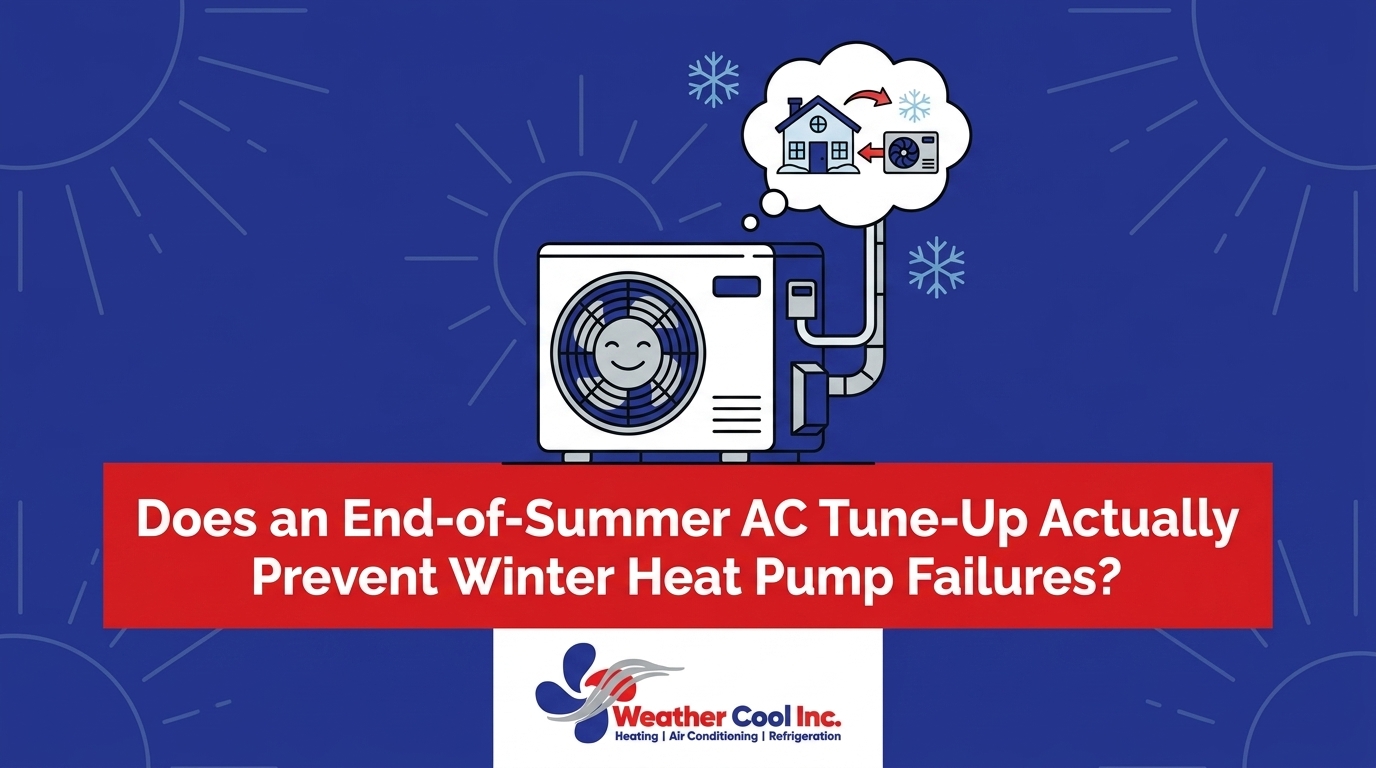
Is your HVAC system truly ready for winter, or is it just exhausted from keeping your home cool for the last six months? If you are wondering, “Does an End-of-Summer AC Tune-Up Actually Prevent Winter Heat Pump Failures?” the short answer is a definitive yes. An end-of-summer tune-up prevents winter heat pump failures by addressing severe summer wear-and-tear, specifically testing the reversing valve, and ensuring the compressor can safely switch from cooling to heating mode.
When the September transition in Texas arrives, our team at Weather Cool Inc. sees many homeowners face a common dilemma. Because the heat pump successfully survived the grueling summer cooling season, it is easy to assume the system is perfectly fine. However, surviving the summer does not mean the equipment is prepared for the winter. The shift from air conditioning to heating requires specific mechanical components to activate for the first time in months. The most critical of these is the reversing valve, a component that dictates the flow of refrigerant through your system.
Skipping a dedicated maintenance visit leaves an already exhausted compressor vulnerable to sudden failure when the first cold front hits. The strain of operating with degraded parts, dirty coils, and low refrigerant levels forces the system to work harder than necessary. By investing in professional HVAC services before the weather turns, you address the hidden mechanical fatigue that accumulates over the summer, securing reliable performance for the colder months ahead.
How the Reversing Valve Controls Your Home’s Comfort
To understand why fall maintenance is so critical, it helps to understand the mechanical differences between a heat pump and a traditional air conditioner. If you have ever looked into how heat pumps compare to traditional ACs for heating and cooling, you know that a heat pump provides year-round comfort. It achieves this not by generating heat, but by moving it. The component responsible for this magic is the reversing valve.
The reversing valve physically shifts the direction of the refrigerant flowing through your lines. Here is how that mechanical process impacts your comfort:
- Cooling mode operation: During the summer in Stafford TX, the reversing valve directs hot, high-pressure refrigerant away from your indoor coil and pushes it outside. This allows the indoor coil to absorb heat from your home’s air, keeping you cool.
- The physical shift: When you switch your thermostat to “heat,” an electrical signal energizes a solenoid on the reversing valve. This solenoid moves a small pilot valve, which then uses the system’s own refrigerant pressure to slide a heavy internal piston.
- Heating mode operation: Once the piston slides, the flow of refrigerant reverses. The system now absorbs ambient heat from the outside air and pumps it indoors, releasing that warmth through your indoor coil.
- The vulnerability: Because this internal piston sits completely idle from May through September, it can become stuck due to accumulated wear, degraded compressor oil, or electrical failures in the solenoid.
The reversing valve is the most common mechanical failure point during seasonal transitions. If the valve sticks, your system will remain trapped in cooling mode, blowing cold air into your home just as you need warmth. Furthermore, a struggling reversing valve directly impacts the overall health of the compressor. If the valve fails to slide completely, refrigerant can bleed between the high-pressure and low-pressure sides of the system, causing the compressor to overheat and potentially suffer catastrophic failure.
The Hidden Toll of Extreme Summer Heat on Your Compressor
In our years of servicing HVAC systems across the Stafford, TX climate, we have seen firsthand that heat pumps run almost continuously for months on end. From early May through late September, your system accumulates thousands of runtime hours. This puts exponentially more wear on the compressor compared to systems operating in milder climates. While the equipment is designed to handle this workload, the cumulative mechanical stress takes a hidden toll.
Our technicians routinely find that one of the most significant factors in this hidden damage is the accumulation of dirt and debris. As your system pulls in massive volumes of air to keep your home cool, it also pulls in dust, pollen, and outdoor particulates. When these contaminants coat your outdoor condenser coils, they act as an insulating blanket. This insulation prevents the system from efficiently releasing heat into the outdoor air. Consequently, dirty coils and prolonged heat exposure can increase your compressor’s workload by up to 30%.
This added strain degrades the system’s ability to seamlessly switch to heating mode. The compressor must work significantly harder to pump refrigerant through the lines, elevating its internal operating temperature and breaking down its lubricating oils. The damage is often entirely invisible while the system is still cooling. You might not notice the slight drop in efficiency or the longer run cycles, but the mechanical fatigue is compounding daily. By the time the fall transition arrives, an exhausted compressor is highly susceptible to locking up or burning out when asked to reverse its operation for winter heating.

Debunking the ‘It Survived Summer, So It’s Fine’ Myth
A common pitfall for homeowners is relying on the logic that a system cooling perfectly well in August does not need professional attention in September. This false sense of security ignores the reality of mechanical fatigue and impending component failure. A “cooling check” is fundamentally different from a “heating preparation” necessity.
Reframing the September tune-up as an essential diagnostic for winter readiness—rather than just a basic filter swap—is crucial for protecting your investment. During the September transition in Texas, understanding the difference between a myth and mechanical reality can save you from a freezing home and a costly emergency repair.
| Homeowner Myth | Mechanical Reality |
|---|---|
| “My AC kept the house at 70 degrees all summer, so the parts are in great shape.” | Continuous summer operation degrades compressor oil and wears down electrical contacts, leaving the system exhausted and prone to failure. |
| “I can just switch the thermostat to heat when it gets cold; it will work automatically.” | The reversing valve has been stuck in one position for months. Without testing, you won’t know if the internal piston has seized until it fails to shift. |
| “Fall tune-ups are just a quick filter change and a visual inspection.” | A proper transition diagnostic involves testing electrical loads, measuring refrigerant pressures, and verifying the physical shift of the reversing valve. |
| “If it breaks in winter, I’ll just get it fixed then.” | Winter breakdowns often trace back to summer compressor strain. Preventive maintenance catches this fatigue before it destroys the compressor entirely. |
What Happens During a Specialized Transition-Season Diagnostic?
Not all fall maintenance visits are created equal. At Weather Cool Inc., we stand apart by providing a comprehensive end-of-summer inspection process based on our extensive field experience. This approach specifically targets high-stress components like the reversing valve, moving far beyond generic “fall tune-ups.” This specialized approach ensures that every part of your system is evaluated for both the wear it sustained and the work it is about to do.
When our technicians perform a transition-season diagnostic for your winter heating services preparation, they follow a rigorous protocol designed to prevent winter breakdowns:
- Testing the Reversing Valve Under Load: Technicians manually trigger the reversing valve to ensure the solenoid energizes correctly and the internal piston slides smoothly without sticking. This confirms the system can physically switch to heating mode.
- Deep Cleaning the Coils: Both the indoor evaporator coil and the outdoor condenser coil are thoroughly cleaned. Removing the summer’s accumulation of dirt relieves the 30% workload penalty on the compressor, restoring optimal heat transfer efficiency.
- Evaluating Refrigerant Charge: Heat pumps require a precise volume of refrigerant to operate efficiently in both modes. Technicians measure the pressures to ensure there are no micro-leaks that developed during the high-stress summer months.
- Inspecting Electrical Components: The continuous cycling of summer heat takes a toll on capacitors, contactors, and wiring. Technicians measure the electrical draw of the compressor and fan motors to identify components that are operating outside of safe tolerances.
- Calibrating the Defrost Control Board: In heating mode, heat pumps occasionally need to defrost their outdoor coils. The diagnostic ensures the sensors and control boards responsible for this critical winter function are operating correctly.
By executing these specific, preventative steps, a specialized diagnostic secures reliable performance for the upcoming winter, ensuring your Stafford TX home remains comfortable regardless of the temperature drop outside.
When to Call for Professional Heat Pump Intervention
Even with the best intentions, systems that have endured heavy wear and tear can exhibit signs of distress. It is vital to recognize the warning signs of a failing reversing valve or an exhausted compressor before the system completely breaks down. Because heat pumps involve high-voltage electricity and pressurized chemical refrigerants, these systems require specialized knowledge. You should never attempt step-by-step DIY repairs on these components; always rely on licensed professionals.
Warning signs of a stuck reversing valve: If you switch your thermostat to heat but feel cold air blowing from your vents after ten minutes, the valve is likely stuck in the cooling position. You might also hear a strange, repetitive clicking noise from the outdoor unit as the solenoid struggles to shift the internal piston, or a loud whooshing sound that never settles into a steady hum.
Signs of extreme compressor fatigue: If your system is short cycling—turning on and off rapidly every few minutes—the compressor is likely overheating and shutting itself down to prevent a fire. Unusually high energy bills, a noticeable loss in heating or cooling power, and loud grinding noises from the outdoor cabinet also indicate severe mechanical distress.
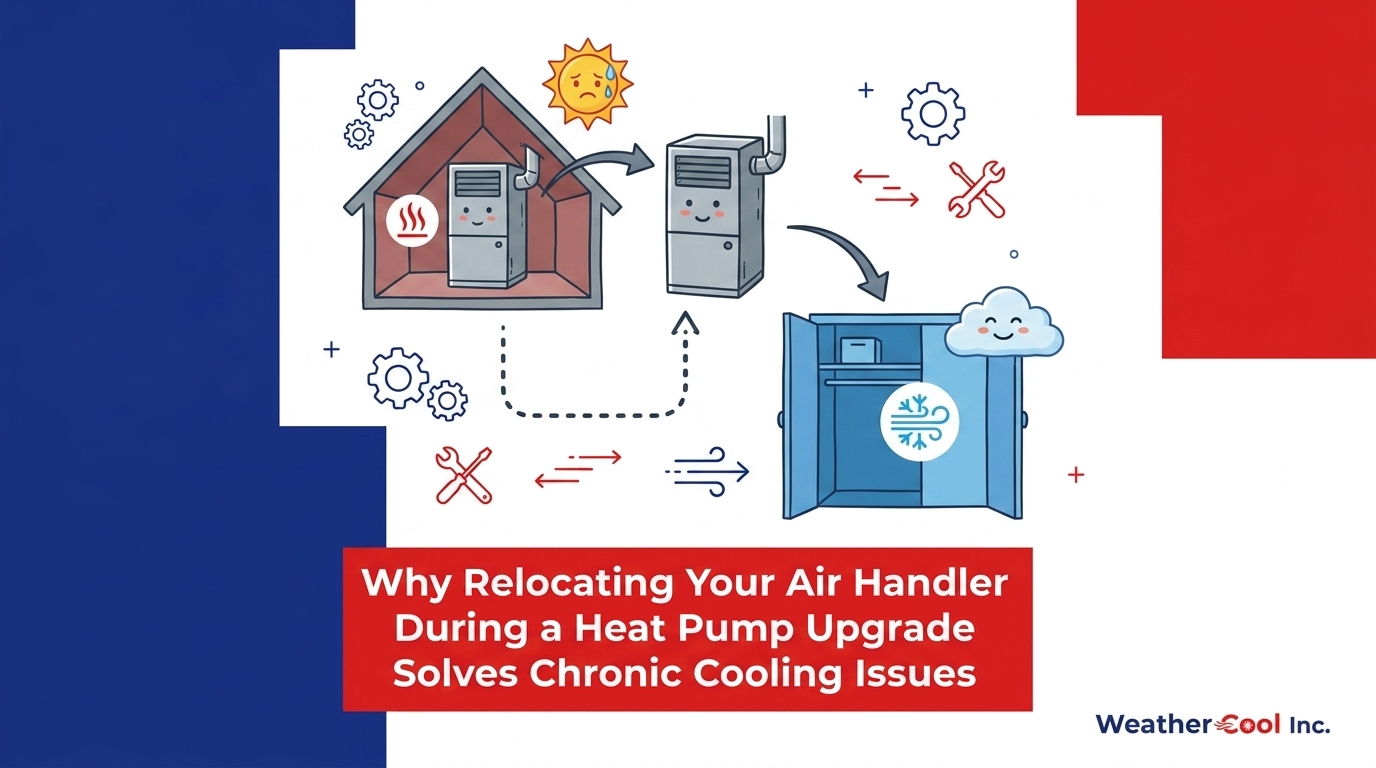
Timely professional intervention offers significant long-term benefits, including improved efficiency, lower energy costs, and extended system longevity. Sometimes, the wear is so severe that replacement becomes the most viable option. For example, our team recently helped a local homeowner who reached out during a busy transition period when their residential heat pump system finally required complete replacement after years of heavy cycling. Our technicians arrived promptly, installed a new air handler, and even relocated the air ducts for better attic access, leaving the work area thoroughly cleaned and the home’s comfort fully restored. (Note: When replacing an exhausted system, generally applicable federal tax credits or utility incentives may apply to qualifying heat pump installations, though we always recommend verifying current programs with your utility or a tax professional). Recognizing the signs early ensures you can schedule heat pump and heater repair before you are left in an uncomfortable situation during the September transition in Texas.
Frequently Asked Questions About Fall Heat Pump Maintenance
Why is my heat pump stuck in cooling mode?
A stuck reversing valve is the most common culprit when a heat pump refuses to switch to heating mode. This valve physically reverses the flow of refrigerant, but after sitting idle in the cooling position all summer, the internal mechanisms can seize. Summer wear, degraded lubricants, or a failed electrical solenoid prevent the valve from sliding. When this happens, the system continues to operate exactly as an air conditioner, regardless of what your thermostat requests.
Do heat pumps need maintenance before winter?
Yes, bi-annual maintenance is strongly recommended by the Department of Energy specifically for heat pumps. Unlike traditional air conditioners that sit dormant all winter, or furnaces that sit dormant all summer, a heat pump runs year-round. This continuous, 12-month operation means the compressor, motors, and electrical components accumulate twice as much wear and tear. A pre-winter tune-up is essential to ensure the system can handle the rigorous demands of heating your home.
How often should a heat pump be serviced?
The industry standard for heat pump maintenance is twice a year, typically scheduled in the spring and the fall. Because these systems provide both heating and cooling, they rarely get a break. The spring service prepares the equipment for the heavy demands of summer cooling, while the fall service addresses the wear from summer and prepares the reversing valve and defrost controls for winter heating. Adhering to this schedule is the best way to maximize the lifespan of the equipment.
What happens if you don’t service your heat pump?
Skipping service leads to increased energy consumption, premature compressor failure, and a high likelihood of surprise winter breakdowns. Without regular cleaning and calibration, the system has to work significantly harder to move heat, which drives up your monthly utility bills. Furthermore, minor issues like a sticking reversing valve or a weak capacitor will eventually compound, causing the compressor to overheat and fail completely when you need it most.
Can a dirty coil cause my heat pump to fail in winter?
Absolutely; dirty coils severely restrict heat transfer, which forces the compressor to work up to 30% harder. When the outdoor coil is blanketed in summer dust and debris, the system struggles to absorb ambient heat from the outside air during the winter. This added strain elevates the internal operating pressures and temperatures of the compressor. Over time, this continuous overworking can lead to total system failure right as you are trying to warm your home.
Secure Your Winter Comfort with Preventative Maintenance
A September tune-up is far more than a basic checklist; it is a critical step for winter heating preparation. By addressing the severe wear and tear accumulated over the long summer months, you protect the heart of your HVAC system. Knowing that your reversing valve has been tested under load and your compressor is mechanically sound provides invaluable peace of mind.
Do not wait for the first freezing night to discover that your system cannot make the transition from cooling to heating. Address the hidden summer fatigue now, while the weather during the September transition in Texas is still manageable. Take proactive steps to protect your equipment and ensure a warm, comfortable home by choosing to schedule an AC tune-up today.